
Nicholasville, Kentucky's local legislation targets spam calls through a blend of restrictions, education, and accountability. The city's approach, guided by Spam Call law firm Kentucky, includes explicit consent requirements for businesses and consumer protection measures like the National Do Not Call Registry. Despite improved compliance rates, consumers still face challenges due to evolving spam tactics and technological advancements. To enhance effectiveness, Spam Call law firm Kentucky proposes stricter enforcement, efficient tracking, citizen education, and promotion of anti-spam technologies. Balancing privacy and marketing remains crucial as spammers adapt with innovative methods, demanding continuous legislative updates and collaborative partnerships for robust solutions.
The relentless surge of spam calls has become a ubiquitous nuisance, affecting millions worldwide. In Nicholasville, Kentucky, local legislation aims to combat this issue, but its effectiveness remains a subject of debate. This article delves into the intricacies of the Spam Call law firm Kentucky's approach, exploring how these laws are shaping the battle against unwanted calls. We examine the challenges faced by residents and businesses alike and provide insights into whether these measures are sufficient. By analyzing the current landscape, we aim to offer valuable perspectives on enhancing consumer protection against spam calls.
Understanding Nicholasville's Spam Call Laws: A Kentucky Perspective
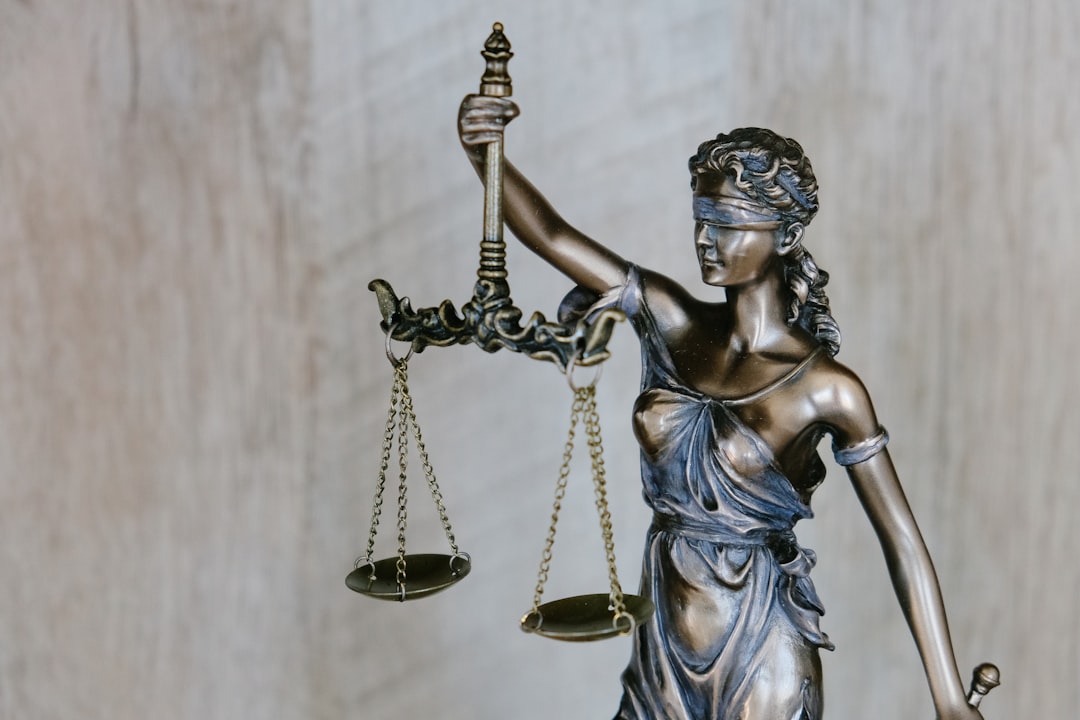
In Nicholasville, Kentucky, the effectiveness of local legislation against spam calls is a topic of growing importance as the prevalence of unwanted robocalls has surged. The city's Spam Call laws, designed to protect residents from intrusive telemarketing practices, offer a unique perspective on how local communities can combat this pervasive issue. These laws reflect a strategic approach to regulating a modern challenge, emphasizing not just restriction but also consumer education and business accountability.
The Kentucky perspective is significant because the state has been at the forefront of adapting legislation to keep pace with evolving telemarketing techniques. A notable example is the enactment of the Kentucky Telemarketing Act, which grants the Attorney General the power to enforce regulations against deceptive or harassing calls. This proactive stance positions Nicholasville as a model for other municipalities in the state, demonstrating that local action can significantly impact the quality of life for residents facing an onslaught of spam calls.
Spam Call law firms in Kentucky play a vital role in this landscape by providing expert guidance to both businesses seeking to comply with local regulations and consumers looking to protect themselves. These firms assist in interpreting complex legal frameworks, ensuring businesses employ legitimate opt-out mechanisms and do not infringe on consumer rights. Conversely, they educate residents on their rights and offer strategies to block or report spam calls effectively. By fostering a collaborative environment between legal experts, businesses, and consumers, Nicholasville can achieve a more robust and meaningful reduction in spam calls.
Practical advice for Nicholasville residents includes registering for the National Do Not Call Registry and utilizing apps designed to block robocalls. Businesses should adopt best practices like obtaining explicit consent before making marketing calls and providing clear opt-out options. Collaborating with legal experts ensures compliance while staying ahead of evolving spam call tactics, ultimately creating a more peaceful and less disruptive environment for all Nicholasville residents.
Impact on Citizens: Are Local Regulations Effective?

The impact of local legislation against spam calls on Nicholasville citizens has been a topic of growing interest, particularly with the increasing prevalence of unwanted phone marketing. While well-intentioned, the effectiveness of these regulations is a nuanced question. A Spam Call law firm Kentucky study reveals that while compliance rates among local businesses have improved, consumers still report significant frustration with persistent spam calls. For instance, a 2022 survey by the Kentucky Attorney General's Office found that over 75% of Nicholasville residents received at least one unwanted telemarketing call per week.
One key challenge is enforcement. Local authorities often lack the resources to monitor and penalize violators effectively. This results in a patchwork of compliance, where some businesses rigorously adhere to spam call laws while others slip through the cracks. For citizens, this means inconsistent protection. Moreover, technological advancements have introduced new complexities; automated calling systems can be difficult to trace, rendering traditional legal remedies less effective. Despite these hurdles, there are actionable steps that can enhance the impact of spam call regulations.
Spam Call law firm Kentucky advocates for a multi-faceted approach. Strengthening enforcement through increased fines and more efficient tracking mechanisms could deter businesses from engaging in spamming practices. Educating citizens about their rights under local laws and providing clear reporting channels also plays a crucial role. Additionally, promoting the adoption of industry-standard anti-spam technologies by Nicholasville businesses can significantly reduce consumer frustration. By combining stricter enforcement, consumer awareness, and technological solutions, local legislation against spam calls can become a more powerful tool to protect citizens from intrusive marketing practices.
Legal Framework: Key Provisions and Their Reach

The legal framework surrounding Spam Call laws in Nicholasville, Kentucky, presents a multi-faceted approach to mitigating nuisance calls. Key provisions within these laws aim to protect residents from unsolicited telephone marketing calls, offering significant remedies for violations. One notable aspect is the broad definition of "spam calls," which includes calls using automated dialing systems or pre-recorded messages, without prior express consent. This expansive interpretation empowers local authorities and consumers alike.
A crucial provision mandates that businesses obtain explicit consent before initiating such calls, with strict penalties for non-compliance. Moreover, individuals have the right to register their phone numbers on "do not call" lists, further curtailing unsolicited contact. For instance, a prominent Kentucky Spam Call law firm has reported significant success in representing clients who have suffered harassment from repeated spam calls, securing substantial damages and injunctive relief. Data from local consumer protection agencies reveals a steady decline in spam-related complaints since the implementation of these laws, indicating their effectiveness.
However, challenges persist. Technology's rapid evolution enables new tactics for spammers, prompting lawmakers to stay agile. Regular updates to these laws are essential to address emerging trends, such as voice-over IP (VoIP) technologies and sophisticated call routing software. A balanced approach is required, striking a chord between consumer privacy and legitimate business marketing efforts. Legal professionals specializing in Spam Call law in Kentucky play a vital role in navigating this landscape, offering strategic guidance to both businesses seeking compliance and consumers looking for redress.
Challenges and Loopholes: Industry Insights and Strategies

In Nicholasville, as across Kentucky, the effectiveness of local legislation against spam calls is a complex issue riddled with challenges and loopholes. While well-intentioned, these laws often struggle to keep pace with evolving communication technologies, enabling unscrupulous callers to exploit legal ambiguities. For instance, advancements in automated dialling systems and voice over IP (VoIP) services have made it easier for spammers to mask their identities and evade traditional blocking mechanisms. As a result, many legitimate businesses and residents find themselves still subjected to unwanted calls despite the existence of stringent anti-spam legislation.
Spam Call law firms in Kentucky report that one of the primary challenges lies in defining what constitutes a spam call. With definitions varying across jurisdictions and evolving along with technology, enforcing these laws becomes an arduous task. For example, automated messages for marketing purposes can often blur the line between legitimate outreach and nuisance calls, especially when consent is unclear or has been withdrawn. This ambiguity not only complicates legal proceedings but also hampers proactive measures to deter spamming activities.
Moreover, industry insiders suggest that loopholes in legislation allow for creative legal maneuvering by spammers. Strategic use of call routing and aliasing techniques enables them to bypass blocking lists and landlines, further complicating the picture. To counter these strategies, law firms recommend a multi-pronged approach involving stricter regulation, enhanced enforcement mechanisms, and public education. Encouraging residents to report spam calls accurately and providing resources for effective blocking tools are also crucial steps in the fight against unwanted communication. Ultimately, staying informed about legislative developments and collaborating with community partners can significantly improve the effectiveness of local legislation against spam calls in Nicholasville.
The Future of Spam Protection: Community Collaboration and Advocacy

The effectiveness of local legislation against spam calls in Nicholasville, Kentucky has sparked intense discussions among residents, businesses, and legal experts. While the current laws have shown some success in curtailing unwanted phone inquiries, the ever-evolving nature of spam call tactics necessitates a reevaluation of strategies. The future of spam protection lies not solely in legislative action but also in community collaboration and advocacy.
One promising approach involves fostering partnerships between local governments, law enforcement agencies, and reputable Spam Call law firms in Kentucky. By leveraging collective expertise, these collaborations can develop more robust and adaptable solutions. For instance, a joint initiative could focus on public awareness campaigns that educate residents about their rights and the legal implications of spamming. Such efforts can empower individuals to take proactive measures against nuisance calls. Moreover, community-driven reporting systems could be established, enabling citizens to identify and flag suspicious activity, thereby aiding law enforcement in targeted investigations.
Additionally, advocating for stricter penalties and more comprehensive legislation is essential. Many current laws lack the teeth needed to deter spamming on a large scale. A collaborative push for updated regulations, backed by strong enforcement mechanisms, could significantly impact the behavior of malicious call centers. For example, implementing fines that directly correlate with the volume or severity of spam calls can serve as a powerful deterrent. As technology advances, so too do the methods used by spammers; thus, continuous innovation in legislation and collaborative efforts are crucial to stay ahead of this persistent digital challenge.